Dr. Siddhartha Mukherjee
One of my favorite non-fiction writers is Dr. Siddhartha Mukherjee. His first book, The Emperor of All Maladies, which won the Pulitzer Prize, made an indelible mark on me. His writing style, keen observations, and research experiences deeply resonated with me. As much as I enjoyed the book, it was the second book of the trilogy, The Gene: An Intimate History, that became the inspiration behind this project.
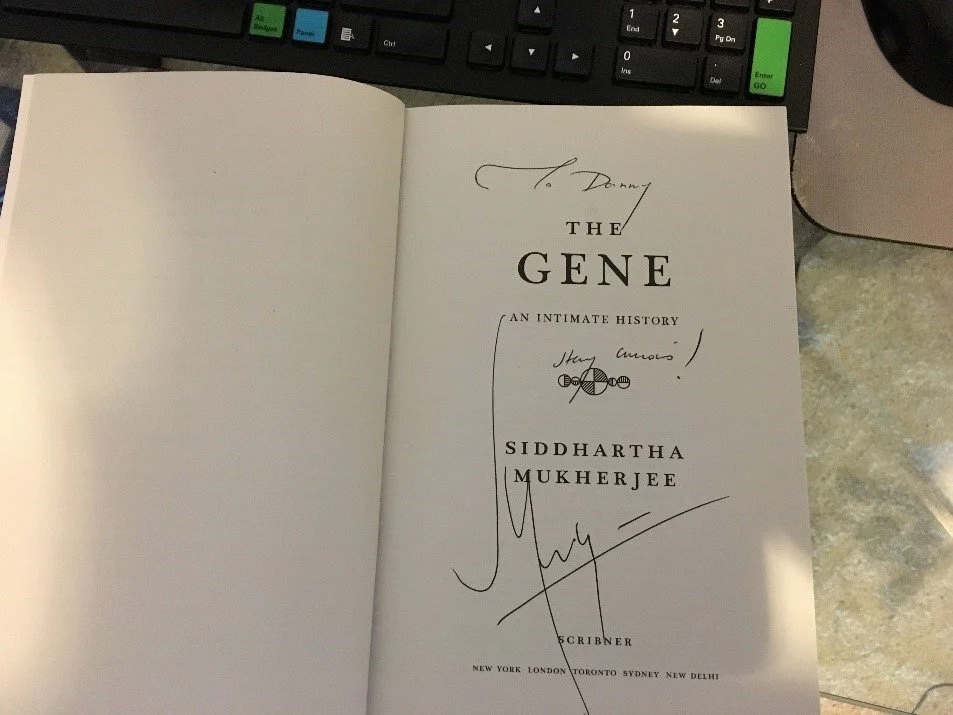
The answer is that the “boat” is not made of planks but of the relationship between planks. If you hammer a hundred strips of wood atop each other, you get a wall; if you nail them side to side, you get a deck; only a particular configuration of planks, held together in particular relationship, in a particular order, makes a boat. Genes operate in the same manner. Individual genes specify individual functions, but the relationship among genes allows physiology. The genome is inert without these relationships. That humans and worms have about the same number of genes—around twenty thousand—and yet the fact that only one of these two organisms is capable of painting the ceiling of the Sistine Chapel suggests that the number of genes is largely unimportant to the physiological complexity of the organism.
Siddhartha Mukherjee, The Gene: An Intimate History
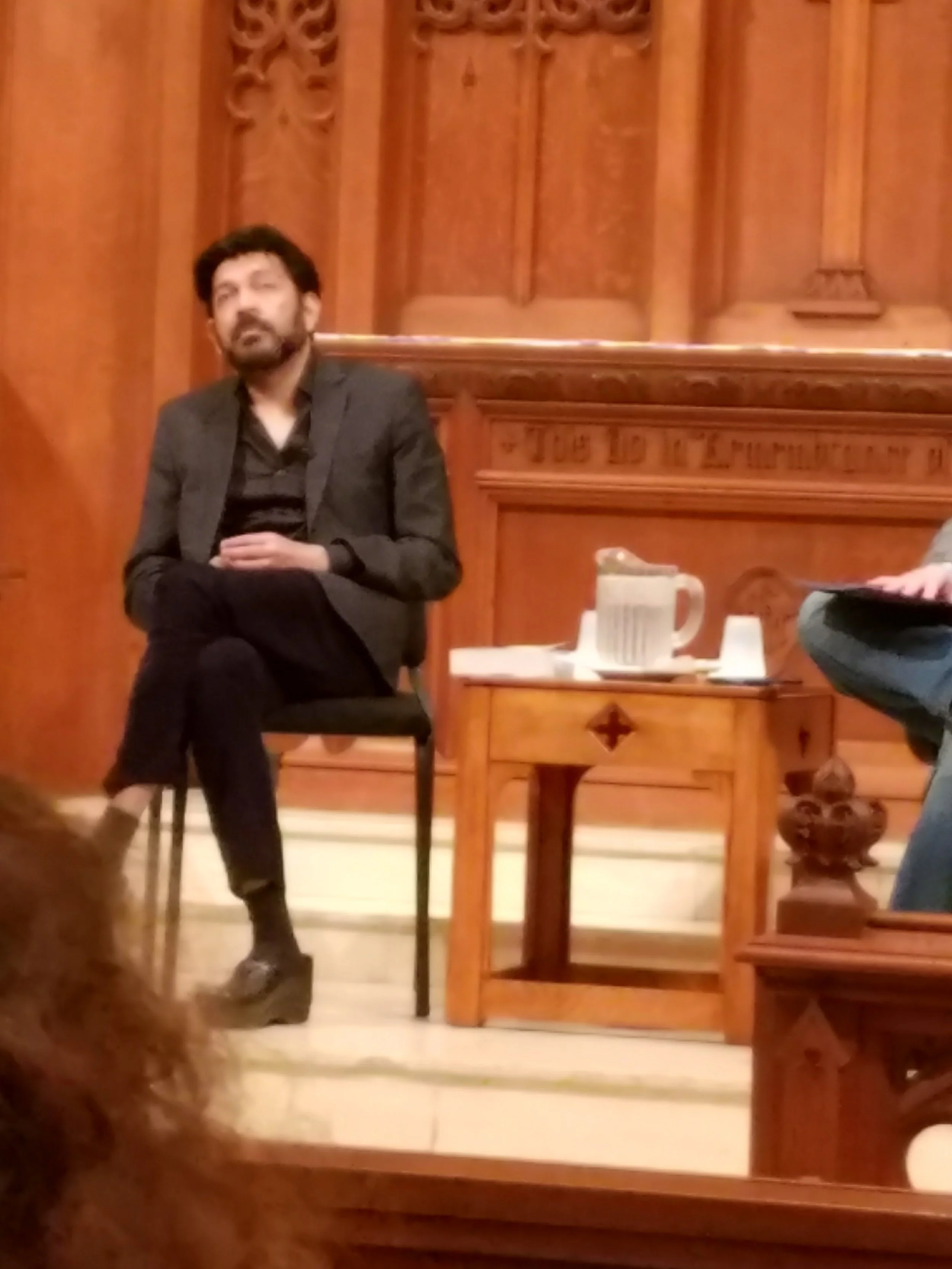
At the end of his lecture, I asked him the following question:
“If human phenotypes were to converge through genetic engineering, what do you think that would look like?”
If you think you know the answer, please email me! (hint: take a look at the photo above).
